Creating a thriving garden doesn’t have to rely solely on chemical fertilizers or expensive soil amendments. Composting is a simple, natural way to enrich your soil, reduce household waste, and promote healthier plants. By turning kitchen scraps, yard waste, and other organic materials into nutrient-rich compost, you can provide your garden with a powerful boost while practicing environmentally friendly gardening.
Whether you’re a seasoned gardener or just starting, understanding how to compost effectively can transform the way your plants grow.
What is Compost and Why It Matters
Compost is the result of decomposed organic materials that create a nutrient-dense soil amendment. Kitchen scraps like fruit peels, vegetable trimmings, coffee grounds, and eggshells, as well as yard waste such as grass clippings and leaves, all contribute to compost. As these materials break down, they release essential nutrients like nitrogen, phosphorus, and potassium, which help plants grow stronger and more resilient.
Using compost in your garden improves soil structure, promotes beneficial microbial activity, and enhances water retention. This means your plants can access the nutrients they need while reducing the amount of water required for irrigation. Compost also helps prevent soil erosion and can reduce the need for chemical fertilizers, making your garden more sustainable. By integrating compost into your gardening routine, you create a healthier, more productive ecosystem for your plants.
How to Start Composting at Home
Starting a compost pile at home is easier than many people think. You don’t need a large backyard or special equipment—just a small space, a compost bin, and a mix of green and brown materials. Green materials, such as vegetable scraps and coffee grounds, provide nitrogen, while brown materials like dried leaves, shredded paper, and cardboard add carbon. The balance between these two types of materials is essential for proper decomposition.
Begin by selecting a location for your compost bin. A spot with good drainage and some exposure to sunlight works best. Layer green and brown materials, making sure to mix them regularly to encourage airflow and decomposition. Keeping the pile slightly moist—similar to a damp sponge—is ideal for microbial activity. Over time, the materials will break down into dark, crumbly compost that’s ready to nourish your garden. Home composting can be done in various ways, depending on your space and preference. Traditional compost bins, tumblers, and even worm composting systems are popular options. Worm composting, or vermicomposting, uses worms to accelerate decomposition and produce highly concentrated, nutrient-rich compost. Regardless of the method, the goal remains the same: creating a natural, effective soil amendment from materials that would otherwise go to waste.
Benefits of Using Compost in Your Garden
The benefits of compost extend far beyond soil enrichment. Using compost in your garden reduces household waste, lowering the amount of organic material that ends up in landfills. This helps decrease methane emissions, a potent greenhouse gas produced by decomposing waste in anaerobic landfill conditions. By composting, you contribute to a healthier environment while improving your own garden’s health. Compost also enhances soil structure, allowing roots to penetrate more easily and access nutrients. This results in stronger, more resilient plants that can better withstand pests, diseases, and changing weather conditions. Additionally, compost improves water retention in sandy soils and drainage in clay-heavy soils, creating an ideal growing environment. Plants grown in compost-enriched soil often produce larger yields and more vibrant foliage, making it a worthwhile investment for any gardener.
Furthermore, compost encourages biodiversity in your soil. Beneficial microorganisms, fungi, and earthworms thrive in nutrient-rich compost, breaking down organic matter and creating a self-sustaining system. This natural process reduces the need for chemical fertilizers and pesticides, helping you maintain a healthier, more organic garden. Regularly adding compost also replenishes essential nutrients that can be depleted over time, ensuring long-term soil fertility.
Tips for Maximizing Your Compost
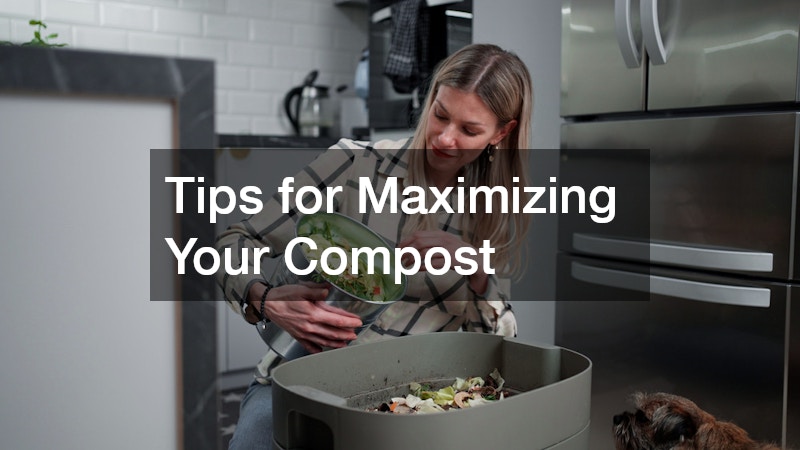
To get the most out of your compost, consider a few best practices. Chop or shred larger materials before adding them to the pile to speed up decomposition. Maintain the right balance of green and brown materials, and turn your pile every few weeks to aerate it and prevent odor. Avoid adding meat, dairy, or oily foods, as these can attract pests and slow down the composting process.
Once your compost is ready, use it to top-dress flower beds, mix into vegetable garden soil, or enrich potted plants. Applying compost in spring and fall provides essential nutrients during critical growth periods, helping your garden flourish year-round. By integrating compost into your regular gardening routine, you create a cycle of sustainability, reducing waste and improving soil health simultaneously.
Composting is an easy, environmentally friendly way to enrich your garden and promote healthy plant growth. By turning organic waste into nutrient-rich compost, you improve soil structure, increase water retention, and support beneficial microbial activity. Starting a compost system at home is simple and accessible, whether you choose a traditional bin, a tumbler, or a worm composting setup. Regular use of compost not only enhances your garden’s productivity but also contributes to a more sustainable lifestyle. Embracing compost in your gardening practices allows you to see the difference in your plants’ growth while reducing waste and creating a flourishing, vibrant garden.