Most homeowners focus their renovation budget on granite countertops or hardwood floors, but the true pulse of a comfortable home lies behind the walls and under the floorboards. Investing in your water quality and the integrity of your plumbing infrastructure is one of the smartest ways to protect your health and your property value. Whether you are settling into a new place or modernizing a long-term residence, upgrading your water systems ensures that every faucet, showerhead, and appliance operates at peak efficiency while providing your family with the safest environment possible.
Water is the lifeblood of the household. It is used for consumption, hygiene, cleaning, and climate control. When the quality of that water is compromised by minerals, chemicals, or biological contaminants, the effects ripple through every aspect of home life. Likewise, when the physical pipes and delivery systems age, they become ticking time bombs of potential property damage.
Assessing Your Current Water Quality and Flow

The first step in any infrastructure overhaul is understanding what you are working with. You should begin by testing your water for mineral hardness, heavy metals, and bacterial contaminants. Many municipal water reports provide a general overview, but residential testing kits can offer a more granular look at what is actually coming out of your specific kitchen tap. If you notice a drop in pressure or discolored water, it is often a sign that your pipes are aging or corroded. For those living in rural areas or older properties, maintaining the source is just as important as the taps.
If you rely on a private source, you must prioritize a comprehensive well system service every few years to check pump efficiency and water safety. Professional testing can reveal if your underground components are failing before a total loss of pressure occurs. This service typically involves checking the pressure tank, the switch, and the depth of the pump to ensure that the aquifer is being accessed safely and sustainably.
If you find that your pipes are leaking or seeping into the foundation, you may need a professional water line repair to prevent mold growth and structural damage. Addressing these subterranean issues early prevents the nightmare of a flooded basement or a collapsed front yard. Modern trenchless technologies often allow these repairs to happen without destroying your landscaping, but they require a skilled technician to diagnose the exact point of failure.
- Check for “red flags” like blue-green staining on fixtures (acidic water).
- Watch for white, crusty buildup on showerheads (hard water).
- Monitor your monthly water bill for unexplained spikes that indicate a hidden leak.
Implementing Long-Term Filtration Solutions
Once you understand your water’s profile, you can move toward permanent solutions that treat water at the point of entry. Point-of-use filters on sinks are a start, but they do not protect your pipes or your skin in the shower from harsh chemicals like chlorine or excess minerals. Hard water is particularly brutal on skin and hair, often stripping natural oils and leaving behind a film that makes soaps less effective.
A whole home water filtration system is the gold standard for modern residences, ensuring that every drop of water entering the house is purified. This protects your plumbing from scale buildup and provides bottled-water quality from every tap in the house. These systems can be customized to target specific issues, such as high iron content, sulfur odors, or chemical runoff from nearby industrial or agricultural sites.
If you are currently in the middle of a relocation, you might feel overwhelmed by these technical upgrades. Many people find it helpful to hire a moving service to handle the heavy lifting of their belongings so they can focus their mental energy on coordinating with plumbers and water specialists before the furniture arrives. It is much easier to install a massive filtration unit in the basement when the area is clear of cardboard boxes and heavy furniture.
- Carbon filtration: Excellent for removing chlorine and improving taste.
- Reverse osmosis: The most thorough method for removing dissolved solids and heavy metals.
- UV purifiers: Essential for killing bacteria and viruses in well-water setups.
Optimizing Major Appliances for Longevity

High-quality water is the best friend your appliances can have. Hard water is a leading cause of premature failure in dishwashers and washing machines because calcium deposits seize up the internal motors and heating elements. When these deposits bake onto a heating element, the machine has to work twice as hard to reach the desired temperature, leading to higher energy bills and eventually a burnout.
If your dishwasher is making strange noises or failing to drain, it might be time to call an appliance repairman to clear out mineral scale and replace worn-out seals. Regular maintenance can extend the life of these expensive machines by several years. Professionals can also check the intake valves, which are often the first parts to clog when the water supply contains high levels of sediment or grit.
When it comes to hot water, efficiency is key to lowering utility bills. If your unit is over a decade old or leaking, seeking a water heater replacement service can introduce you to tankless options that provide endless hot water while taking up significantly less space in your utility room. Modern high-efficiency tanks also feature better insulation and more durable anodes that resist corrosion longer than the models of the past.
- Flush your water heater annually to remove sediment buildup.
- Replace washing machine hoses with braided stainless steel to prevent bursts.
- Clean out the aerators on your faucets every six months to maintain a steady flow.
Streamlining Your Infrastructure During a Move
The best time to perform deep infrastructure upgrades is when the house is empty. Without furniture in the way, contractors can access crawlspaces, basements, and utility closets much faster, often reducing the labor costs of your project. This is also the ideal window to repipe a house or install new main lines without worrying about dust and debris falling on your personal electronics or upholstery.
To keep your renovation zone clear of clutter while you work on the plumbing, consider renting a portable storage container. This allows you to keep your tools and materials on-site and protected from the elements without cramming them into your living room. Having a designated space for supplies like copper piping, PEX tubing, and water softeners keeps the project organized and prevents accidental damage to the home’s interior.
If you are transitioning between homes, you should also vet your local movers to see if they offer specialized handling for heavy utility equipment or water softeners. Having a team that understands the weight and fragility of home systems ensures a damage-free installation day. Moving heavy industrial-grade filters or large tanks requires specific equipment like stair-climbing dollies and lift gates to avoid injury or equipment failure.
- Document the location of your main shut-off valve immediately upon moving in.
- Label every pipe in the basement to make future repairs easier for any plumber.
- Check the age of the existing water systems before the moving trucks arrive.
Clearing the Way for New Systems
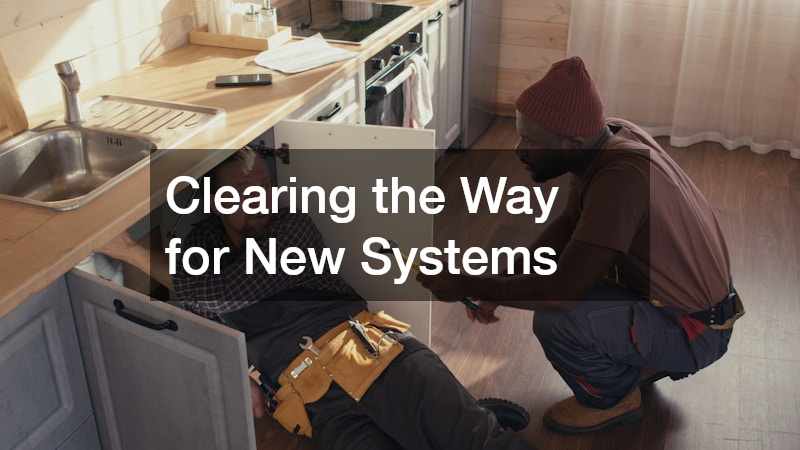
Before installing high-efficiency filtration or new heaters, you must ensure the exit paths for your water are as clean as the entry paths. Clogged or sluggish drains can cause backpressure that damages new valves and high-end faucets. Many people ignore the drainage side of the house until a backup occurs, but the health of your sewer or septic line is just as critical as the supply line.
Scheduling a professional drain cleaning service is a proactive way to remove years of grease and hair buildup before it causes a backup. This simple maintenance step ensures that your new water system does not face unnecessary stress from the sewage side of the house. Hydro-jetting is a common modern technique that uses high-pressure water to scrub the inside of the pipes, leaving them in a like-new condition.
Large-scale plumbing overhauls, especially those involving digging or replacing old cast iron pipes, generate a surprising amount of heavy debris. In these cases, look into dumpster rentals to manage the disposal of old pipes, water tanks, and drywall efficiently and legally. Keeping a clean job site is not just about aesthetics; it is about safety and ensuring that old, contaminated materials are hauled away properly rather than sitting in your driveway.
- Avoid using chemical drain cleaners, as they can eat through older metal pipes.
- Ensure all drains have proper venting to prevent slow drainage and “gurgling” sounds.
- Map out your yard’s drainage to ensure rainwater is moving away from the foundation.
The Intersection of Health and Real Estate Value
When you think about the future of your home, water infrastructure is a silent contributor to your equity. A house with a verified history of clean water tests and updated plumbing is far more attractive to buyers than one with “mystery pipes” and orange-stained sinks. Beyond the financial aspect, the peace of mind that comes with knowing your family is drinking pure, contaminant-free water is priceless.
Upgrading these systems also contributes to a more sustainable lifestyle. Efficient water heaters use less gas or electricity, and a high-quality filtration system reduces the need for single-use plastic water bottles. Even the way you handle the waste from these projects matters. By choosing responsible disposal methods, you ensure that the materials being pulled out of your home are handled by facilities that can recycle metals and properly manage old insulation or plastics.
The complexity of these systems means that a DIY approach has its limits. While a homeowner can certainly swap out a showerhead or install a simple under-sink filter, the integration of whole-home systems requires a deep understanding of pressure, flow rates, and local building codes. Investing in professional labor for the “big stuff” ensures that your warranties remain valid and your insurance company remains happy.
- A high-efficiency water heater can save hundreds of dollars a year in energy costs.
- Soft water extends the life of your clothes and linens by reducing fiber breakage.
- A home with a modern filtration system often appraises higher during the selling process.
Maintaining Your New Infrastructure
Once the upgrades are complete, the work transitions from installation to observation. Creating a maintenance calendar is the best way to protect your investment. You should know exactly when your filters need changing, when your softener needs more salt, and when your well needs its next checkup. Skipping a filter change might seem minor, but a clogged filter can reduce house-wide water pressure and force your pump to work overtime.
Keep a log of all the service professionals you have used. If a specific technician did an excellent job on your heater, keep their contact info on the side of the unit. This makes emergencies much less stressful because you already know who to call. Furthermore, keeping receipts and service records in a dedicated folder will be a massive asset if you ever decide to sell the home. It proves to the buyer that the home was cared for with a level of detail that goes beyond the surface.
In the end, your home is a machine designed to keep you safe and comfortable. The water system is the cooling and cleaning mechanism for that machine. By treating it with the respect it deserves, you avoid the most common causes of home insurance claims and the most frequent sources of daily frustration.
Upgrading your home’s water infrastructure is a labor-intensive process, but the rewards are felt every single day. From the taste of the water in your glass to the softness of your laundry and the reliability of your plumbing, these improvements create a foundation of comfort. By taking an organized approach—utilizing professional services when necessary and staying ahead of maintenance—you transform your house into a high-functioning sanctuary that will serve you well for decades to come. Don’t settle for quick fixes that only mask symptoms of larger issues. Address the root causes of poor water quality and failing pipes now, and you will enjoy the benefits of a modern, efficient, and healthy home environment for the rest of your tenure in the property.