Water damage can cause serious problems for both residential and commercial properties when left untreated. Even a small plumbing leak or roof issue can slowly weaken walls, flooring, ceilings, and foundations over time. That is why water damage restoration is so important after any flooding event, burst pipe, or moisture problem. Acting quickly can help property owners avoid expensive repairs, mold growth, and long-term structural deterioration.
Ignoring water damage may seem harmless at first, but moisture can spread into hidden areas of a property within hours. Drywall, insulation, wood framing, and flooring materials absorb water quickly, making fast cleanup and drying essential. Professional restoration services help remove moisture, prevent further damage, and restore the property safely and efficiently.
Identify Water Damage Early Before It Spreads
Early detection is one of the best ways to reduce costly structural damage. Water problems often begin in hidden areas, making them difficult to notice until the damage becomes severe. Identifying warning signs early allows homeowners to address moisture issues before they spread throughout the property.
Routine inspections can help uncover problems before they become emergencies. Checking ceilings, walls, basements, and plumbing fixtures regularly can reveal leaks or moisture buildup that may otherwise go unnoticed.
Common Signs of Hidden Water Damage
There are several warning signs that may indicate hidden moisture inside a property. Water stains on ceilings or walls are often one of the first visible indicators of a leak. Peeling paint, bubbling wallpaper, or warped flooring may also signal trapped moisture behind surfaces.
A musty odor is another common sign of hidden water damage. Lingering humidity or damp smells often suggest mold growth or moisture accumulation in enclosed spaces. In more severe cases, cracks may begin forming in drywall or even around the foundation as structural materials weaken over time.
Addressing these warning signs immediately can help prevent more extensive repairs later.
Remove Standing Water and Moisture Quickly
One of the most important steps after a leak or flood is removing standing water as quickly as possible. Lingering moisture can weaken building materials and increase the risk of structural instability. Wood framing may begin to rot, metal components can corrode, and drywall may deteriorate if water remains trapped inside the structure.
Professional drying equipment and dehumidifiers play a major role in effective water damage restoration. Industrial-grade fans, moisture meters, and extraction tools help remove hidden moisture that household equipment often cannot reach. Thorough drying is critical because moisture trapped behind walls or under flooring may continue causing damage long after surfaces appear dry.
Fast action also reduces the risk of expensive secondary problems, such as mold infestations and weakened support beams.
Prevent Mold and Structural Decay After Water Damage
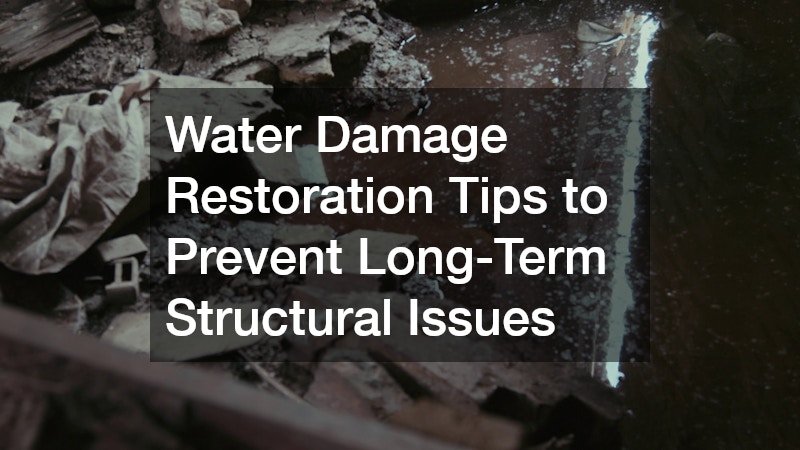
Mold growth can begin within 24 to 48 hours after water exposure if moisture is not removed properly. Once mold spreads, it can damage surfaces, weaken materials, and negatively affect indoor air quality. Untreated water damage can also lead to long-term structural decay as wood rot and deterioration continue over time.
Proper sanitization and restoration methods are essential after any flooding or moisture event. Cleaning contaminated surfaces, replacing damaged materials, and ensuring complete drying all help reduce the risk of recurring issues. Professional restoration teams understand how to safely address both visible and hidden moisture problems.
Why Professional Water Damage Restoration Matters
Professional water damage restoration services provide several important benefits for property owners. Specialized equipment can detect hidden moisture that may otherwise remain trapped inside walls, ceilings, or flooring. Advanced drying methods also speed up the restoration process and reduce the likelihood of long-term damage.
Experienced professionals can help prevent recurring water issues by identifying the original source of the problem and recommending repairs. In addition, restoration companies often provide documentation that may help simplify insurance claims after water-related disasters.
Hiring trained professionals helps ensure the property is restored safely and thoroughly.
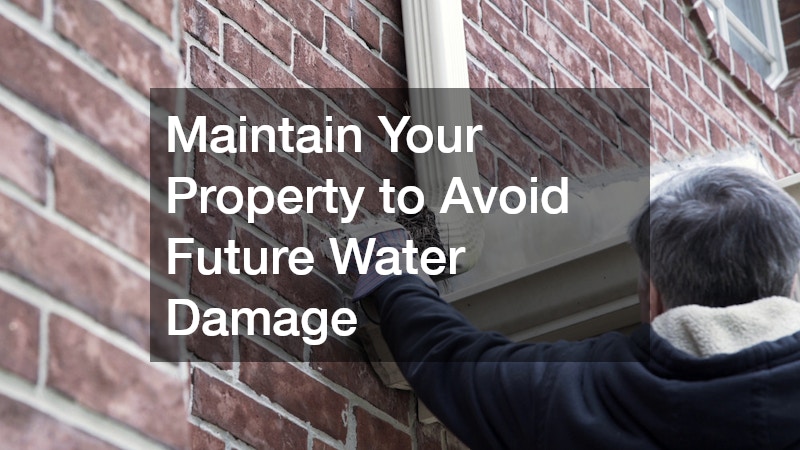
Maintain Your Property to Avoid Future Water Damage
Preventive maintenance is one of the most effective ways to reduce the risk of future water damage. Regular inspections allow homeowners and property managers to identify minor problems before they become major structural concerns.
Roofing systems and gutters should be inspected regularly to ensure proper drainage. Plumbing pipes, appliances, and fixtures should also be checked for leaks, corrosion, or wear. Around the foundation, proper grading and drainage systems help direct water away from the property.
In areas prone to flooding or excess moisture, installing sump pumps or moisture barriers can provide additional protection. Taking these preventative steps can significantly reduce the need for future water damage restoration services.
By acting quickly and investing in professional water damage restoration services when needed, property owners can protect their buildings, reduce repair costs, and maintain a safe indoor environment for years to come.